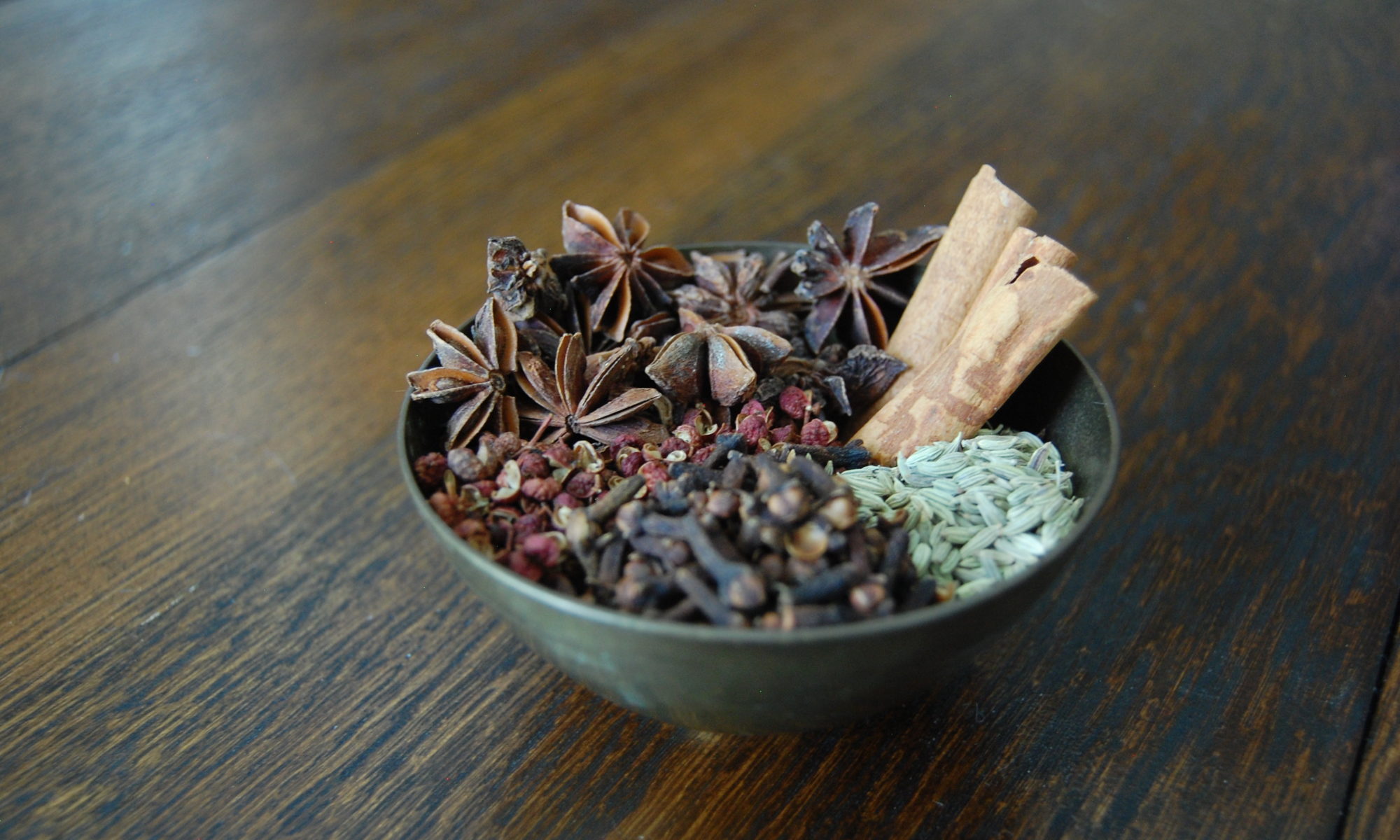
Plus, a recipe for some very sexy medieval soup

Before we dive in, I have an exciting announcement:
All paid subscribers (that’s you!) are going to get some special gifts from me from time to time. These include downloadable recipe booklets and other goodies. I’ll share them in these emails as they become available.
Our very first gift is a practical guide for preserving your family cookbooks and recipes.
I pulled together my knowledge from years of working with rare books and archives to build this guide, and the tips inside apply to whatever books and papers you might want to preserve, not just your cookbooks!
To download the PDF of the guide, just head to this link.
And now, back to our regularly scheduled programming: (an)aphrodisiacs!
Humans have a long, long history of trying to influence each other’s behavior through food. We intoxicate each other, enchant our food with spells, poison each other, and of course, try to up our chances of romantic success with aphrodisiacs.
Most of what we see about food and love (or food and sex) has to do with aphrodisiacs, or substances thought to stimulate arousal in whoever consumes them. In modern Europe, oysters and champagne are two common examples, but the foods we’ve considered “sexy” have changed quite a bit over the years.
For Europeans in the Middle Ages, aphrodisiac-related dietary guidance had more to do with promoting fertility than with anyone having a good time. Aphrodisiac food recommendations were related to humoral medicine, in particular warm and moist foods that stir up the blood, but also those that are windy, which stirred up passion and released stagnant matter. The ultimate medieval aphrodisiac, according to one author, is chickpeas: an apparent powerhouse of sexual arousal in legume form.
Warming spices and beverages (like wine) along with windy ones (like leeks and beans) continued to be favorites after the Renaissance and into the Early Modern period, though these again were focused on promoting fertility. While promoting pleasure was sometimes mentioned as a concern for men, women’s main purpose in taking (or being given) aphrodisiacs was fertility: medical and dietary guidelines didn’t care much about if we were enjoying ourselves until well into the 20th century.
But anaphrodisiacs, those substances meant to reduce libido, are also a part of our collective food story. The Chaste Tree (Vitex agnus-castus), for example, was so named because of its anaphrodisiac properties when components were ingested or placed in close contact. Pliny’s Historia Naturalis (the first part of which was published in 77 CE) reported that the stems and leaves were used as bedding to “cool the heat of lust,” and the tree’s reputation as a buzzkiller existed through at least the 14th century.
It wasn’t always just ingesting the food, either: In Christine de Pizan’s The Book of the City of Ladies (1405), one group of women hung rotting meat under the dresses to keep unwelcome men away.
The distinction between aphrodisiac and anaphrodisiac foods is not purely biological, though our bodies do respond differently to different foods and some have a measurable aphrodisiac effect, and studies have been done on saffron, nutmeg, and other botanical libido enhancers. Licorice, on the other hand, lowers testosterone levels and thus is often considered an anaphrodisiac.
The most important distinction, however, seems to be in our heads: Culturally, and personally, we associate different foods with different states of being, whether or not the foods themselves actually have the biological effect in and of themselves. And when we make those associations, it’s a self-fulfilling prophecy: If I think chocolate is going to make me amorous, the likelihood is that it will.
One example from my own history is Christina Cooks, a PBS show with regular aphrodisiacs segments. 20 years ago, I tuned in from my rundown Iowa studio Saturday morning. What I found most interesting about the show was the host’s classification of what an aphrodisiac was: Most of the foods she chose were based on their shape more than anything else (e.g. asparagus, oysters). Her idea was that a plate full of evocative shapes, more than anything, would entice a lover by priming them to think about what the other person might have going on downstairs. She’s certainly not the only person to do so: shape, along with taste and texture, inform what goes on the top ten lists that clutter the internet.
But we have plenty of examples from food history in general to turn to: Corn flakes, for example, were developed by Dr. Kellogg as part of an anaphrodisiac diet (corn flakes were not, as is often claimed, created solely to prevent masturbation). Graham crackers were developed for a similar reason, also as part of a utopian experiment in bland living. Is corn inherently sexy (or not)? Not really, and chef Christina might argue the shape of it makes it an aphrodisiac. But for Dr. Kellogg, the flavor of the flakes lent itself to the opposite association.
This month I’ve decided to make two recipes that play with the idea of what an aphrodisiac is, and showcase how our concept of what foods are “sexy” (or not) is both broad and subject to change over time.
Aphrodisiac: Medieval chickpea and poached egg soup
A libidinous powerhouse of ovum and legume, dishes like this make a regular appearance in medieval Italy. There are many variations (meat, cheese, vegetable, etc) but I’ve taken some liberties and combined a few recipes here to try to make the most aphrodisiac dish I can think of, based on my understanding of humoral theory. While a warm and windy soup, it’s also quite good whether or not you’re looking for love.

Subscribe to continue reading
Become a paid subscriber to get access to the rest of this post and other exclusive content.